
In Malaysia’s fast-paced, visually driven market, LED screens have emerged as a powerful tool for advertising products and disseminating information for public awareness. From bustling city centers like Kuala Lumpur to smaller towns, these vibrant displays are transforming how businesses engage customers and how authorities communicate critical messages. Their rise in popularity is fueled by technological advancements, versatility, and an increasing demand for dynamic, eye-catching communication. This article explores the reasons behind the growing adoption of LED screens Malaysia, their applications in advertising and public awareness, and answers common questions through a FAQ section.
The Rise of LED Screens in Malaysia
Malaysia’s advertising and communication landscape has evolved rapidly, driven by urbanization, digitalization, and a tech-savvy population. LED screens, with their bright, customizable, and energy-efficient displays, are at the forefront of this transformation. Their popularity stems from several key factors:
- Visual Impact and Engagement
LED screens deliver vivid colors, high brightness, and sharp resolutions, making them ideal for capturing attention in crowded environments like shopping malls, highways, or event venues. For instance, a P4 outdoor LED screen in Bukit Bintang can display advertisements with stunning clarity, even in daylight. Studies suggest that dynamic visuals on LED screens increase viewer retention by up to 80% compared to static billboards, making them a go-to choice for brands like Shopee or Grab to promote campaigns. - Versatility Across Applications
LED screens are highly adaptable, used for everything from retail promotions to public service announcements. Indoor screens (e.g., P2-P3 pixel pitch) in malls like Mid Valley Megamall showcase product launches, while outdoor screens (P6-P10) along highways display road safety messages or festive greetings. Their ability to support various content formats—videos, animations, or live feeds—makes them suitable for diverse needs, from corporate events to government campaigns. - Cost-Effectiveness Over Time
While the initial investment for purchasing an LED screen (e.g., RM 6,000–15,000 per square meter) is significant, their longevity (50,000–100,000 hours) and low maintenance costs make them cost-effective for long-term use. For businesses, owning a screen eliminates recurring advertising fees, while rentals (starting at RM 4,500 per event) offer flexibility for short-term campaigns. Energy-efficient designs further reduce operational costs, appealing to budget-conscious organizations. - Real-Time Content Updates
Unlike traditional billboards, LED screens allow instant content updates via software, enabling businesses to adapt promotions quickly. For example, a restaurant can switch from breakfast to lunch menus seamlessly, while authorities can broadcast real-time updates during emergencies, like flood warnings in Johor. This flexibility is critical in Malaysia’s dynamic market, where timely communication drives engagement. - Eco-Friendly and Durable
Modern LED screens use energy-saving technologies like COB (Chip on Board) and consume less power than traditional lighting systems. Their durability, with weather-resistant outdoor models, suits Malaysia’s tropical climate, ensuring reliable performance during rain or heat. This sustainability aligns with Malaysia’s growing focus on green initiatives, making LED screens a preferred choice for eco-conscious brands and municipalities.
Applications in Advertising
LED screens have revolutionized advertising in Malaysia by offering dynamic, targeted, and measurable campaigns:
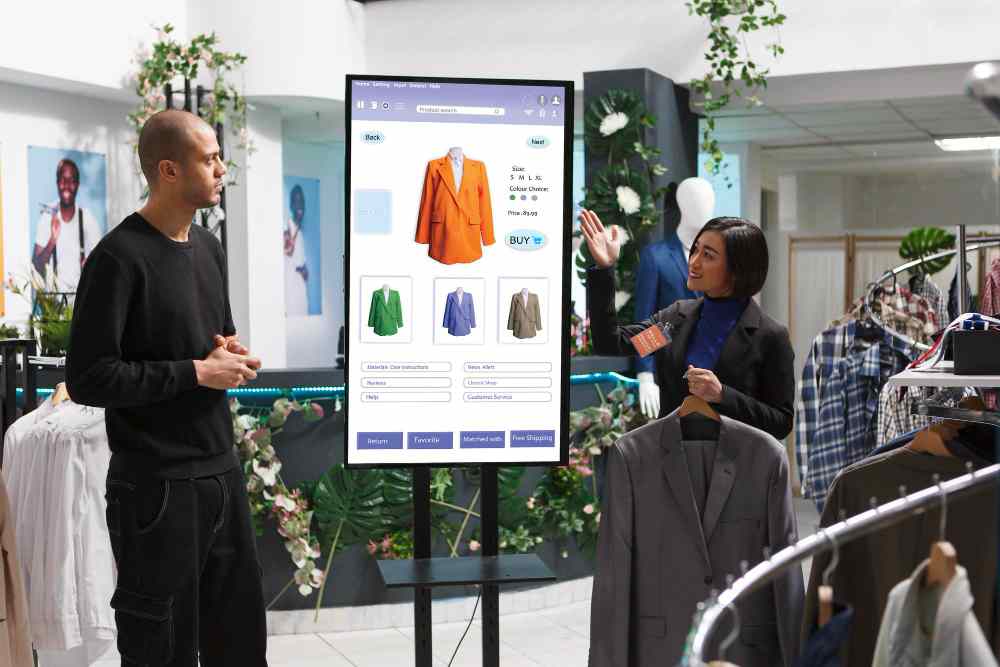
- Retail and E-Commerce: Brands like Lazada and Uniqlo use LED screens in malls to showcase flash sales or new collections. High-resolution P2.5 indoor screens display vibrant product visuals, driving impulse purchases. Data from advertising firms indicates that LED-based campaigns can boost sales by 20–30% in high-traffic areas.
- Outdoor Billboards: Large P6-P8 outdoor LED screens along highways like the PLUS Expressway promote automotive brands or telecom providers like Celcom. Their brightness ensures visibility, and programmable content allows advertisers to rotate multiple campaigns daily.
- Event Marketing: Concerts, product launches, and trade shows rely on LED screens for immersive experiences. For instance, a 6m x 4m P3 screen at a tech expo can display live demos, attracting crowds and enhancing brand recall.
Applications in Public Awareness
LED screens are equally vital for public communication, particularly in a diverse, multilingual country like Malaysia:
- Government Campaigns: The Ministry of Health uses LED screens in public spaces to share updates on disease prevention, such as dengue awareness campaigns. During the COVID-19 pandemic, screens in train stations displayed real-time health guidelines in Malay, English, and Mandarin.
- Traffic and Safety Information: LED screens at toll plazas or urban intersections provide real-time traffic updates or safety reminders, reducing accidents. For example, P10 screens in Penang display “Drive Safely” messages during festive seasons.
- Community Engagement: Local councils use LED screens for cultural events, like Deepavali or Hari Raya celebrations, broadcasting greetings or event schedules to foster community spirit. Mobile LED trucks, rented for RM 5,000–50,000 per campaign, deliver messages to remote areas.
Challenges and Considerations
Despite their advantages, LED screens require careful planning. High upfront costs can deter small businesses, though rentals mitigate this. Maintenance, especially for outdoor screens exposed to Malaysia’s humidity, demands regular checks. Content creation also requires expertise to ensure compatibility (e.g., 16:9 resolution, MP4 formats). Partnering with reputable suppliers like LEDtronics, Big Screen Media, or Digitalite ensures quality and support.
Why Malaysia Embraces LED Screens
Malaysia’s multicultural, urbanized society and thriving economy create a fertile ground for LED screens. With a population of over 33 million, 80% urbanized, and a growing digital advertising market (projected to reach RM 2 billion by 2026), businesses and authorities leverage LED screens to reach diverse audiences. Their ability to deliver multilingual, visually compelling content aligns with Malaysia’s linguistic diversity and consumer preferences. Additionally, government support for smart city initiatives, like those in Iskandar Malaysia, encourages LED adoption for public communication.
Conclusion
LED screens are gaining popularity in Malaysia due to their visual impact, versatility, cost-effectiveness, real-time capabilities, and eco-friendly design. For businesses, they offer a dynamic platform to advertise products, while for public awareness, they ensure timely, accessible communication. As Malaysia continues to embrace digital innovation, LED screens will remain a cornerstone of its advertising and public engagement strategies, transforming how brands and communities connect.
FAQs
- Why are LED screens more effective than traditional billboards for advertising in Malaysia?
LED screens offer dynamic content, vibrant visuals, and real-time updates, unlike static billboards. They increase viewer engagement by up to 80% and allow brands to rotate multiple ads, maximizing impact in high-traffic areas like Kuala Lumpur. - How do LED screens support public awareness campaigns in Malaysia?
LED screens display real-time, multilingual messages for health, safety, or community events. For example, they broadcast dengue prevention tips or traffic updates, ensuring accessibility across Malaysia’s diverse population. - What makes LED screens cost-effective for businesses in Malaysia?
Their long lifespan (50,000–100,000 hours), energy efficiency, and ability to eliminate recurring ad fees make LED screens a cost-effective option. Rentals starting at RM 4,500 per event also suit short-term campaigns. - How do LED screens perform in Malaysia’s tropical climate?
Outdoor LED screens (e.g., P6-P10) are weather-resistant, designed to withstand rain and heat. Regular maintenance from suppliers like LEDtronics ensures durability in Malaysia’s humid conditions. - Which industries in Malaysia benefit most from LED screens?
The retail, e-commerce, automotive, and telecom industries utilize LED screens for advertising, while government and local councils leverage them for public awareness, such as health campaigns or festive announcements.
Want to know more? Read: https://deborahacademy.com/understanding-led-screen-prices-in-malaysia-when-to-buy-when-to-rent-and-tips/
Leave a Reply