
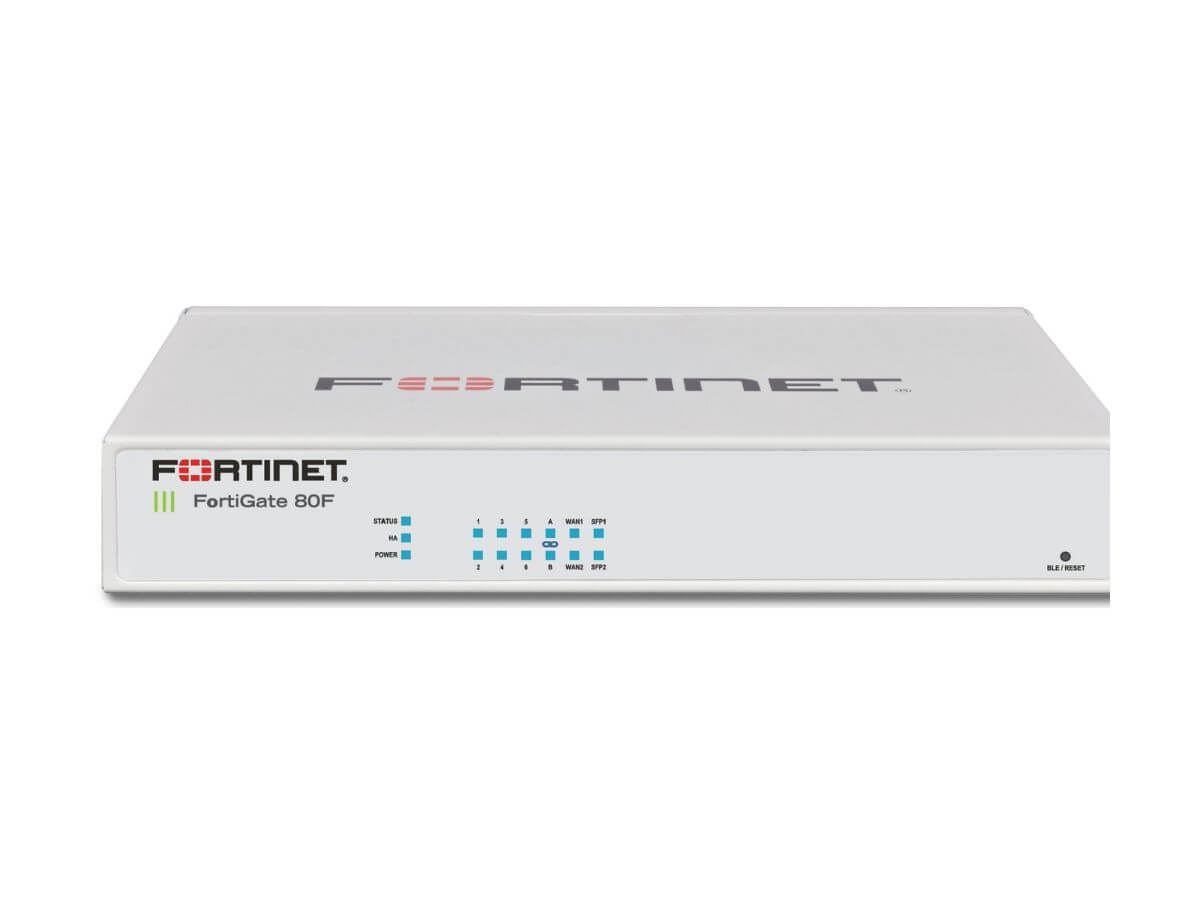
As organizations in Malaysia increase their cybersecurity, FortiManager has become a critical solution in managing and optimizing security operations. However, the return on investment from deploying FortiManager could differ significantly depending on the licensing model used. This article analyzes how different FortiManager licensing in Malaysia models impact the total cost of ownership, effectiveness of security operations, and overall ROI, giving real-world examples of successful implementations.
Understanding Different FortiManager Licensing Models
FortiManager licensing models come in a number, which caters to the various needs of organizations. The main models include:
- Per-Device Licensing
- Per-User Licensing
- Subscription-Based Licensing
Each of these holds different implications for TCO and ROI and thus requires organizations to consider their particular needs carefully before choosing.
Per-Device Licensing
The per-device licensing model is when the organizations are charged to license the number of devices being managed in FortiManager. It is simple and allows the organization to predict its budget accurately. However, the costs increase when the number of licensed devices increases significantly for an organization.
Impact on TCO
- Initial Costs: For the organizations with a large number, licensing can be expensive at the beginning.
- Scaling Costs: The licensing fees will be higher when the organization expands and more devices are added.
Effect on ROI
- Cost Control: With regular reviews of the number of devices, organizations can have a better view of their security expenses.
- Operational Efficiency: Even though the initial costs are higher, centralization may offer the long-term operational efficiency that allows for a positive return on investment through reduced staff and less downtime.
Per-User Licensing
In the per-user licensing model, an organization is charged based on the number of users accessing the FortiManager system. This model might be more appropriate for organizations that place a greater value on user management than on the number of devices.
Impact on TCO
- Cost Predictability: For an organization with fewer users than devices, this might be cheaper and therefore a lower TCO.
- Flexibility: As user needs fluctuate, an organization can make changes in licensing without major additional costs.
Impact on ROI
- Improved User Adoption: Organizations can facilitate more users to utilize security management tools, hence enhancing overall security awareness and effectiveness.
- Scalability: This model allows easier scaling as organizations grow, supporting a positive ROI trajectory.
Subscription-Based Licensing
In this model, there is a recurring fee charged monthly or annually. This model will typically include all sorts of features and levels of support that allow an organization to select a package that best suits their needs.
Impact on TCO
- Lower Upfront Costs: With lower upfront investments, it can be more viable for SMEs to use FortiManager.
- Ongoing Costs: While the upfront costs are lower, ongoing subscription fees can have long-term financial implications for an organization.
Impact on ROI
- Continuous Updates and Support: Subscription models often include regular updates and support to keep organizations protected against emerging threats.
- Budgeting Predictability: With predictable ongoing costs, organizations can well plan their budgets, therefore ensuring better management of finances.
Licensing Decisions to Meet Business Objectives
To achieve optimum ROI, organizations need to make FortiManager licensing decisions based on a specific business objective. Some strategies to demonstrate the business value of FortiManager include:
Evaluate Security Needs
After identifying the needs of a particular organization concerning security, every organization should consider selecting a licensing model. Thus, knowing the device and user counts might lead to the best license option, especially considering cost.
Evaluate Operational Efficiency
Organizations can measure the efficiency gains achieved through centralized management to quantify the ROI. Metrics such as reduced incident response times and improved compliance can help illustrate the value of FortiManager.
Monitor Compliance and Risk Management
Regulatory compliance is a critical concern for many organizations. FortiManager can help streamline compliance processes, and organizations should track the cost savings associated with avoiding fines and legal repercussions to support their ROI claims.
Utilize Reporting and Analytics
FortiManager provides robust reporting and analytics capabilities. Organizations should leverage these tools to demonstrate the impact of their security investments, showcasing improvements in security posture and risk management.
Real-World Examples in Malaysia
Example 1: A Financial Institution
A major Malaysian bank implemented FortiManager using a per-device licensing model to manage its extensive network of security devices. By centralizing management, the bank achieved:
- Operational Efficiency: A 30% reduction in operational overhead due to streamlined processes and reduced staffing needs.
- Enhanced Security Posture: Faster incident responses led to a significant decrease in security incidents, ultimately contributing to a strong ROI.
Example 2: An SME in the Retail Sector
A small retail business opted for a subscription-based licensing model for FortiManager. The advantages included:
- Lower Initial Investment: The lower upfront costs allowed the SME to adopt advanced security measures without significant financial strain.
- Predictable Costs: The subscription model provided predictable budgeting, enabling better financial management, which resulted in a positive ROI as the business grew.
Example 3: A Manufacturing Company
A large manufacturing firm adopted a per-user licensing model, focusing on user engagement and training. The results included:
- Improved User Engagement: Increased participation in security training and awareness programs enhanced the overall security culture.
- Scalability: As the organization expanded, the flexibility of the per-user model allowed for easy adjustments, maintaining a favorable ROI.
Conclusion
The licensing model chosen for FortiManager can significantly impact the total cost of ownership and return on investment for organizations in Malaysia. By understanding the implications of different licensing models, organizations can make informed decisions that align with their specific needs and business objectives. Understanding FortiManager licensing in Malaysia is essential for businesses seeking to optimize their network security infrastructure.
Through careful assessment of security needs, evaluation of operational efficiency, and monitoring of compliance, organizations can demonstrate the business value of their FortiManager investments. Real-world examples illustrate how effective licensing strategies can lead to strong ROI, showcasing FortiManager as a vital component of a comprehensive cybersecurity strategy. By aligning licensing decisions with organizational goals, Malaysian businesses can optimize their investments and enhance their overall security posture.
Leave a Reply