
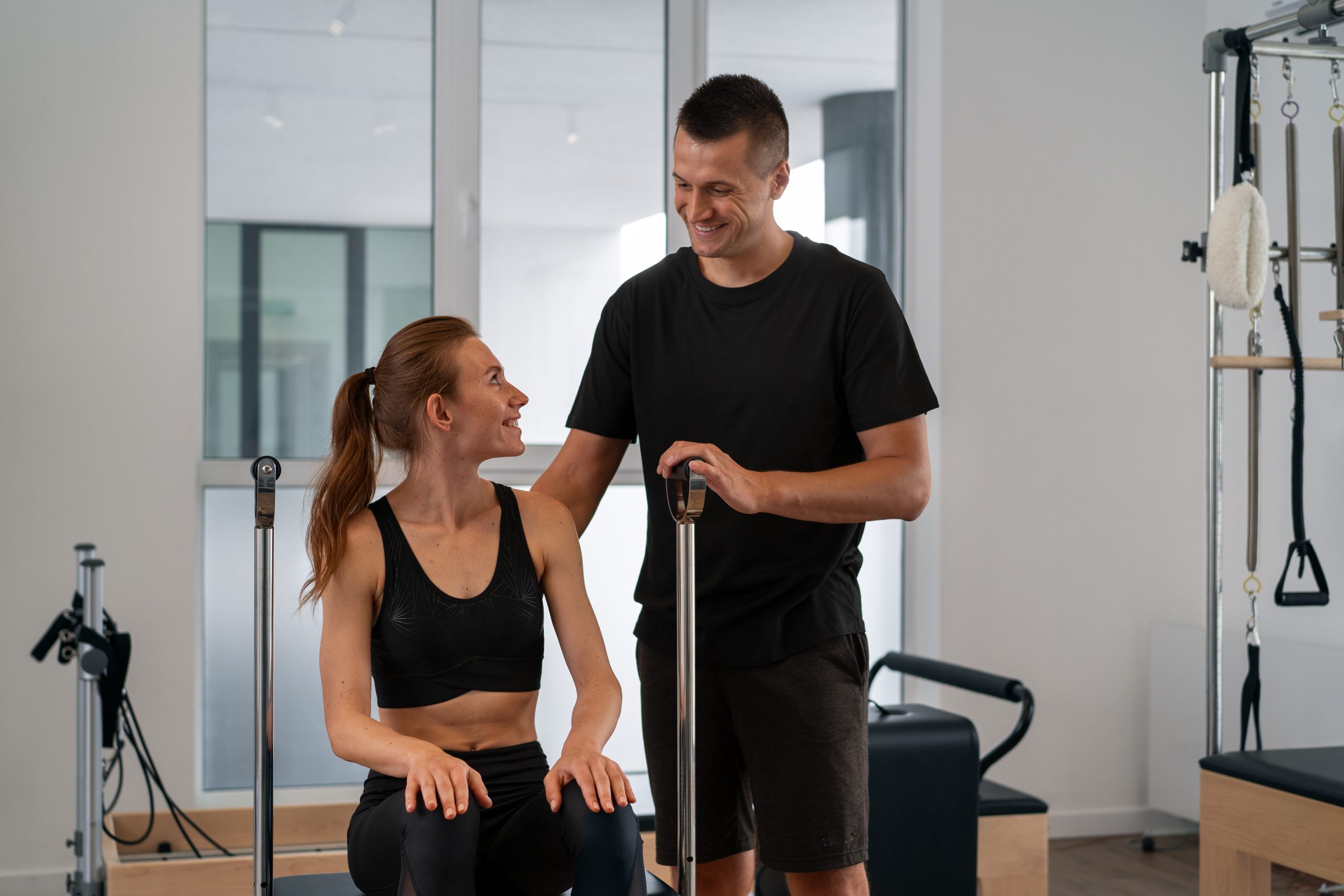
Recovering from an injury requires a structured and carefully planned approach to exercise. A well-designed rehabilitation program helps restore strength, mobility, and function while minimizing the risk of re-injury. This is where working with a personal trainer Singapore can make a significant difference, as they can create customized workout plans that align with an individual’s recovery needs.
Understanding the Rehabilitation Process
Injury recovery involves multiple stages, each requiring a different approach to exercise. The goal is to promote healing without overstressing the affected area.
Stages of Injury Rehabilitation:
- Acute Phase – Focuses on reducing pain and inflammation (minimal movement).
- Subacute Phase – Gentle mobility exercises to prevent stiffness.
- Rehabilitation Phase – Strength training begins with controlled movements.
- Return-to-Function Phase – Restoring full mobility, endurance, and strength.
- Performance Phase – Returning to sport-specific or high-intensity activities.
A gradual progression through these phases ensures long-term recovery while avoiding setbacks.
Key Principles of Injury-Safe Exercise Programs
When designing an exercise program for injury recovery, the following principles help ensure safety and effectiveness:
1. Individualized Approach
Every injury is unique, and recovery speeds vary. A personal trainer in Singapore will assess medical history, movement limitations, and fitness levels before creating a tailored program.
2. Gradual Progression
Recovery exercises should start at a low intensity and progress gradually. Overloading injured muscles or joints too soon can lead to setbacks.
3. Pain-Free Movement
Exercises should never cause sharp pain. Any discomfort should be minimal and within safe limits to prevent further injury.
4. Muscle Imbalance Correction
Injuries often lead to compensatory movement patterns. Strengthening weak areas while improving flexibility in overactive muscles helps restore balance.
5. Mobility Before Strength
Restoring a full range of motion should come before strength training. Restricted movement can cause improper mechanics, leading to future injuries.
6. Functional Training
Exercises should mimic real-life movements to improve daily function. Functional training improves balance, coordination, and injury resilience.
Building an Effective Injury Recovery Program
An injury-safe program includes different types of exercises that support healing while promoting overall fitness.
1. Mobility & Flexibility Training
- Gentle stretches improve joint mobility without straining healing tissues.
- Foam rolling helps release muscle tension and improves circulation.
- Dynamic warm-ups prepare muscles for movement while maintaining flexibility.
Example: A shoulder injury recovery plan may include pendulum swings and wall slides to regain mobility.
2. Low-Impact Cardiovascular Exercise
Cardio helps maintain overall fitness without excessive joint stress. Safe options include:
- Walking or treadmill incline walking
- Cycling on a stationary bike
- Swimming or water therapy
Example: For knee injury recovery, cycling strengthens the legs without putting stress on the joints.
3. Strength Training for Recovery
Rebuilding strength is crucial but should be done cautiously. Key focus areas include:
- Isometric exercises (holding static positions) to rebuild strength without joint movement.
- Resistance band exercises for controlled strengthening.
- Unilateral exercises (working one side at a time) to correct muscle imbalances.
Example: For lower back pain, glute bridges and bird dogs improve core and spinal stability.
4. Balance & Stability Work
Rehabilitation often includes proprioception training to improve body awareness and prevent re-injury.
- Single-leg stands
- Balance board exercises
- Core stability drills
Example: After an ankle sprain, wobble board training can help restore stability and coordination.
5. Functional Movement Training
Exercises that mimic everyday activities help individuals regain full movement confidence.
- Squats for sitting and standing strength
- Step-ups to improve walking mechanics
- Light resistance movements for daily tasks
Example: After a knee injury, step-ups help rebuild strength for climbing stairs.
The Role of a Personal Trainer in Injury Recovery
A personal trainer in Singapore with experience in rehabilitation can play a crucial role in a successful recovery journey. They:
✔️ Develop personalized training programs based on injury type and severity.
✔️ Ensure proper exercise form to prevent further damage.
✔️ Monitor progress and adjust workouts as mobility and strength improve.
✔️ Incorporate injury prevention techniques to reduce future risks.
✔️ Work alongside physiotherapists or healthcare professionals when needed.
Common Injuries & Recommended Exercises
1. Knee Injuries (ACL, Meniscus, Patella Issues)
Safe Exercises:
- Seated leg extensions
- Mini squats
- Straight-leg raises
Avoid: Deep lunges, high-impact jumping, and excessive knee bending.
2. Lower Back Pain & Spinal Injuries
Safe Exercises:
- Cat-cow stretch
- Glute bridges
- Dead bug exercise
Avoid: Heavy deadlifts, twisting movements, and prolonged sitting.
3. Shoulder Injuries (Rotator Cuff, Dislocation)
Safe Exercises:
- Scapular wall slides
- Resistance band external rotations
- Prone Y raises
Avoid: Overhead presses, bench presses, and heavy lifting.
Final Thoughts
Recovering from an injury requires patience, proper guidance, and a structured approach. A personal trainer in Singapore can design safe, progressive exercise programs tailored to individual needs, helping clients regain strength and mobility while reducing re-injury risks.
By following a well-planned rehabilitation process, staying consistent, and listening to the body, individuals can safely return to full physical function and even achieve higher levels of fitness than before.
If you’re recovering from an injury and need a structured, expert-designed program, working with a qualified personal trainer can help accelerate your progress safely and effectively.
Leave a Reply